5 Simple Techniques For Food delivery app development
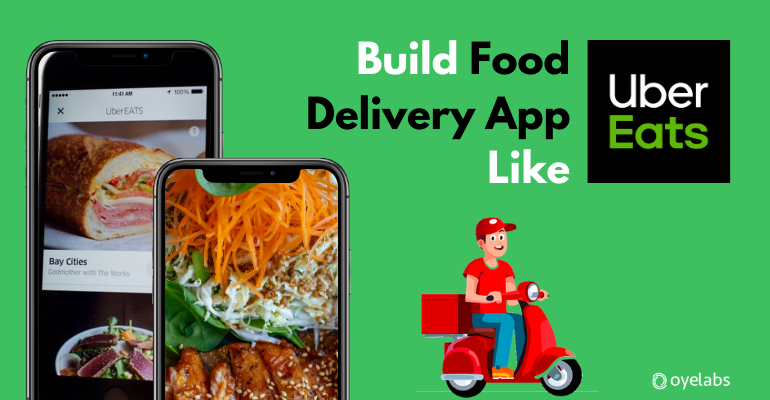
The food service sector has seen rapid expansion in recent years, driven by growing demand for effortless on-demand services. With platforms like UberEats and DoorDash revolutionizing the way people order food, the focus has moved to developing cutting-edge food delivery apps. These apps offer customers the ability to order food from their preferred restaurants and have it brought right to their doorstep. For companies, the task is to utilize technology to improve delivery logistics and ensure a seamless user journey.
Building the Perfect Food Delivery App
Creating a profitable food delivery app requires a deep insight of the market trends and operational strategies that dominate the sector. Whether creating a comprehensive platform or focusing on niche markets like virtual restaurants or cloud kitchens, the app’s functionality needs to serve to both customers and restaurants. Key features such as order tracking, efficiency improvement, and customer satisfaction metrics hold a vital role in guaranteeing customer loyalty.
Restaurant Delivery Partnerships: A Winning Strategy
Eateries are increasingly forming collaborations with delivery platforms to increase their market penetration. These agreements assist restaurants cater to a larger customer base while minimizing the obstacles of managing their in-house delivery services. The success of such collaborations copyrights upon technological synchronization, which enhances the user interface design and enhances the customer experience. Through these collaborations, restaurants can increase brand loyalty and ensure that they stay competitive in a saturated market.
How KPIs Drive Food Delivery Profitability
For any business, knowing its performance metrics is crucial to ensuring profitability. In the food delivery sector, KPIs such as delivery time, order accuracy, and user happiness are critical. Tracking and improving these KPIs enables delivery services to offer a superior customer experience. Moreover, keeping an focus on financial success helps companies optimize operations, lower charges, and increase overall efficiency.
Customer Satisfaction and User Retention Strategies
A major element in the success of food delivery platforms is their capacity to keep customers through outstanding customer service. Offering fast food delivery and resolving customer reviews swiftly can assist companies improve their Technology’s Impact on Food Delivery Market service offerings. Moreover, introducing rewards systems and providing incentives like no-cost delivery can increase customer loyalty. User happiness can be further strengthened by maintaining food quality control and providing a seamless order management system.
The Role of Technology in Food Delivery
Innovative solutions is at the heart of modern food delivery solutions, enabling companies optimize their operations and provide a seamless customer experience. From mobile app development to real-time order monitoring, technology plays a significant role in the growth of delivery platforms. The use of data Impact of Technology on Food Delivery Logistics analytics to analyze user profiles and preferences allows delivery services to provide customized experiences, further enhancing user engagement.
Competitive Analysis in the Food Delivery Market
The delivery sector is fiercely contested, with many players vying for market share. Conducting a market evaluation allows companies to gauge their standing in the market and identify chances for expansion. Delivery platforms must differentiate themselves by offering distinctive features such as virtual restaurant options, fast delivery times, or niche cuisine options. Analyzing market share and customer actions enables companies to customize their services and remain ahead of the competition.
The Impact of the Pandemic on Food Delivery Services
The COVID-19 pandemic has had a profound impact on the food delivery industry, boosting its growth as consumers turned to on-demand apps due to social distancing measures. The change has emphasized the necessity of technological evolution in the culinary sector, with restaurants rapidly adopting online food ordering and delivery apps. As the world adjusts to new routines, food delivery businesses must continue innovating to meet evolving consumer demands and secure business growth.
Investing in Food Delivery Startups
The delivery sector presents plenty of startup opportunities, with investors eager to backing companies that offer unique solutions. From creating UberEats clones to building niche delivery apps, business owners have a range of paths to pursue. Investors seek out strong operation plans and the capacity to scale, particularly in aspects like system efficiency, customer interface, and technological advancement. By focusing on these sectors, startups can secure substantial investments and establish themselves in the market.
Enhancing Food Delivery Service Profitability and Expansion
Expanding a food delivery service requires a strong foundation built on market penetration, pricing strategies, and unique offerings. As local delivery services expand, businesses must concentrate on creating a reliable delivery network and ensuring food safety. Furthermore, widening the menu offerings, forming new restaurant partnerships, and adopting advanced technology in food delivery will drive further growth. By constantly enhancing delivery times and guaranteeing high customer satisfaction, companies can maintain a market lead and boost revenue generation.
These topics provide a complete understanding of the food delivery ecosystem, with a focus on key aspects that drive the industry forward. Whether whether you are a new company or an experienced company, focusing on these factors will help you thrive in the challenging world of food delivery.